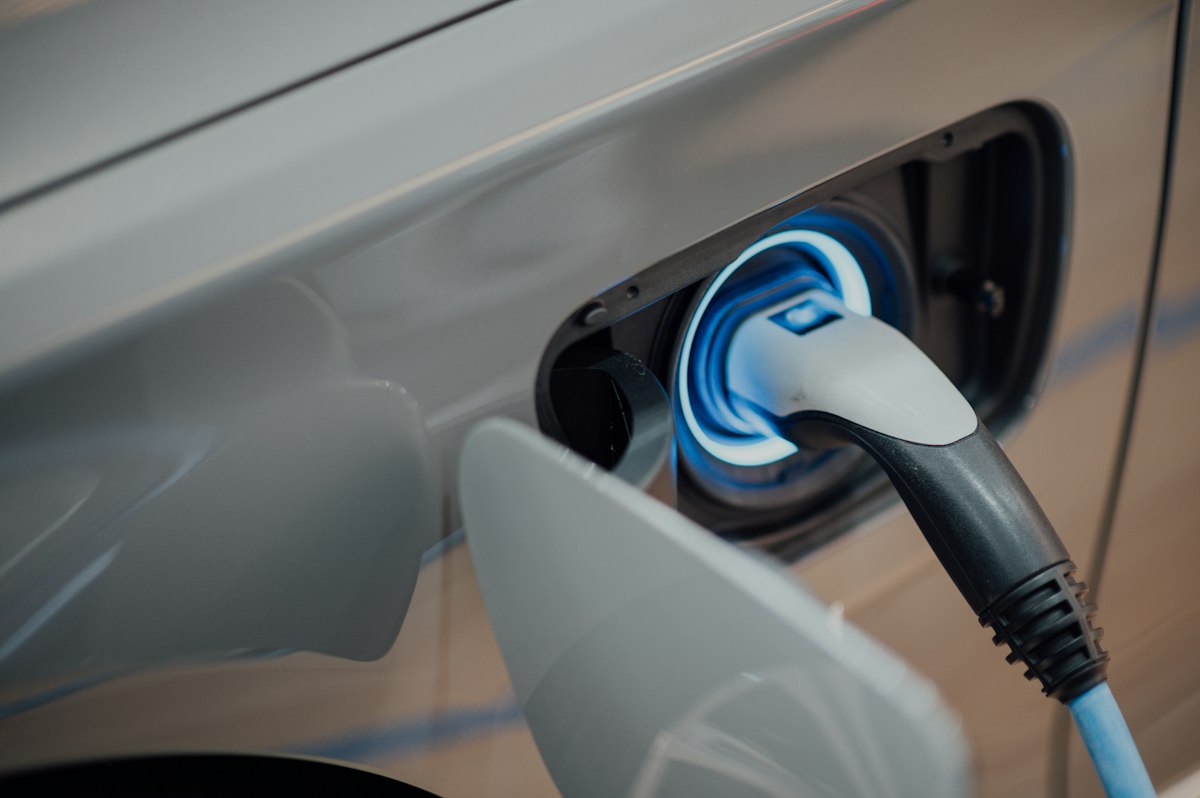
Electric cars are no longer a niche experiment. They are quieter, cheaper to run, and simpler to maintain than gasoline cars — and in 2026, the best value is often a used EV. This guide explains the choices in plain language, with the numbers that actually matter.
BEV, PHEV, or hybrid? Use this decision rule
There are three main kinds of electrified car, and the right one depends mostly on one thing: where you can charge.
- Home charging? Get a battery-electric vehicle (BEV). If you can plug in at home overnight — a driveway, garage, or assigned parking spot with an outlet — a BEV is the simplest and cheapest option. You wake up to a full battery, you rarely visit a public charger, and you skip oil changes and most engine maintenance.
- Sometimes charging? Consider a plug-in hybrid (PHEV) — but only if you actually plug it in. A PHEV has a smaller battery for short electric trips plus a gasoline engine for longer ones. It only saves fuel and emissions if it is charged regularly. A PHEV that is never plugged in is just a heavy, expensive hybrid.
- No charging at all? Get a regular hybrid. A hybrid charges its own small battery from braking and the engine. It uses far less gasoline than a conventional car, needs no plug, and is a sensible step while you wait for charging where you live or park.
What does it cost to drive?
Electricity is usually much cheaper than gasoline per mile, especially at home. As a useful rule of thumb, home charging works out to about 4.8 cents per mile, compared with about 13 cents per mile for gasoline. Public DC fast charging is pricier — around 12 cents per mile — but still broadly comparable to gasoline, and most drivers use it only on road trips. Exact figures vary with local electricity and gasoline prices, so check your own rates, but the pattern holds across most of the United States: charge at home when you can, and save fast charging for the road.
4.8¢ per mile — home charging, vs about 13¢ per mile for gasoline.
US average electricity and gasoline prices
Will the battery wear out?
Not quickly. Modern EV batteries degrade slowly — on average about 2.3% per year in capacity — and most keep most of their range for well over a decade of normal driving. Batteries do not need replacing every few years, and a used EV with 85% of its original range is still a very usable car. When you shop used, check the battery health report and the remaining warranty, just as you would check a gasoline car’s service history. See also our post EV disinformation, debunked.
Charging plugs: NACS is now the US standard
The North American Charging Standard (NACS) — the plug Tesla pioneered — is now the standard for new EVs sold in the United States. CCS, the older fast-charging plug, is being phased out on new models, although CCS cars and adapters will be supported for years. When you buy, check which plug the car has and whether an adapter is included for the chargers near you.
Used EVs are the growth story in 2026
New EVs get the headlines, but used EVs are where the savings are. Early electric cars are now coming off leases in large numbers, prices have fallen sharply, and a three- or four-year-old EV can offer most of the range and features of a new one for far less money. For many households, a used EV as a second car — or as the main car, if home charging is available — is the smartest first step into electrification. Start with the Incentives page and our Find Your Rebates guide, then check When It Dies, Electrify for the right moment to replace a gasoline car.
Watch: how electric cars work
Energy 101: Electric Vehicles — U.S. Department of Energy (2:49). Watch on YouTube ↗
How Do Electric Vehicles Work? — CNET (4:22). Watch on YouTube ↗